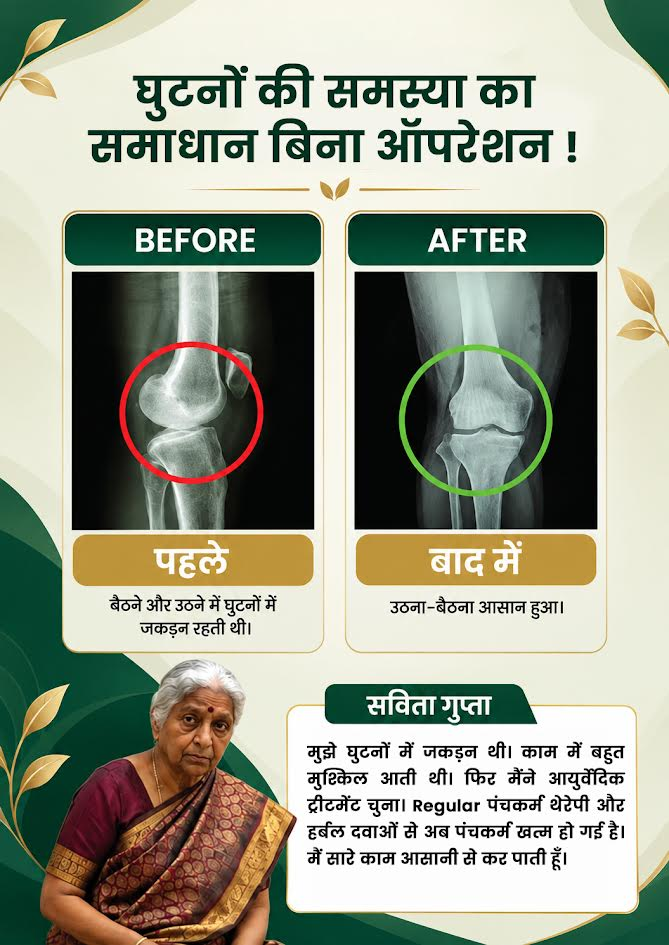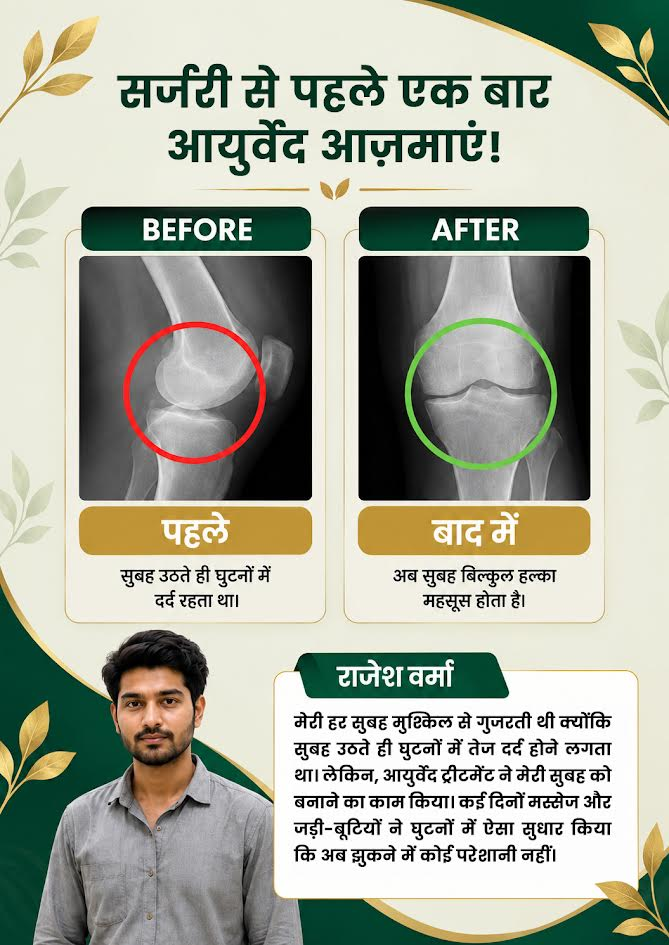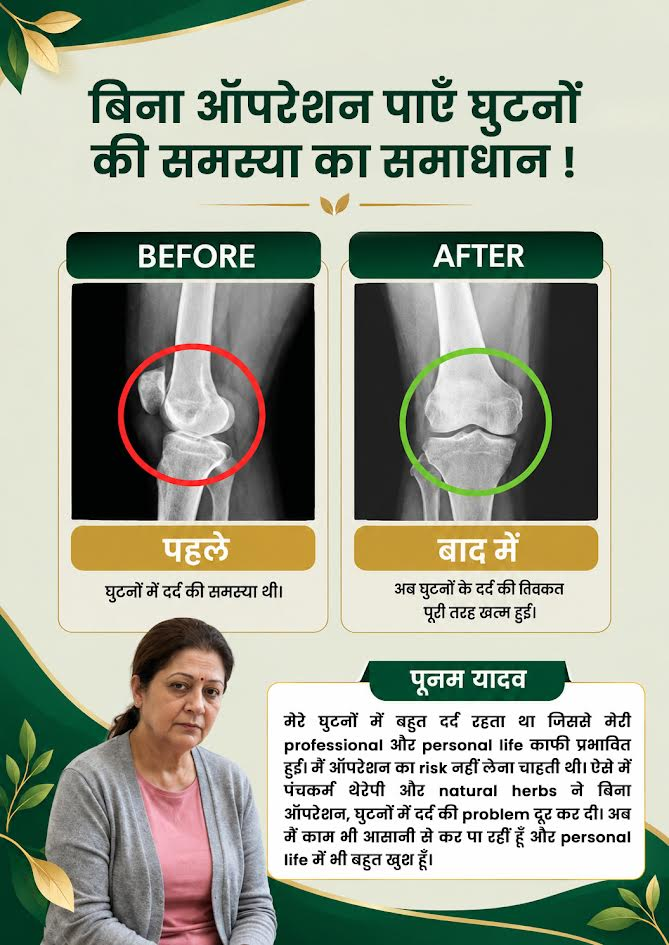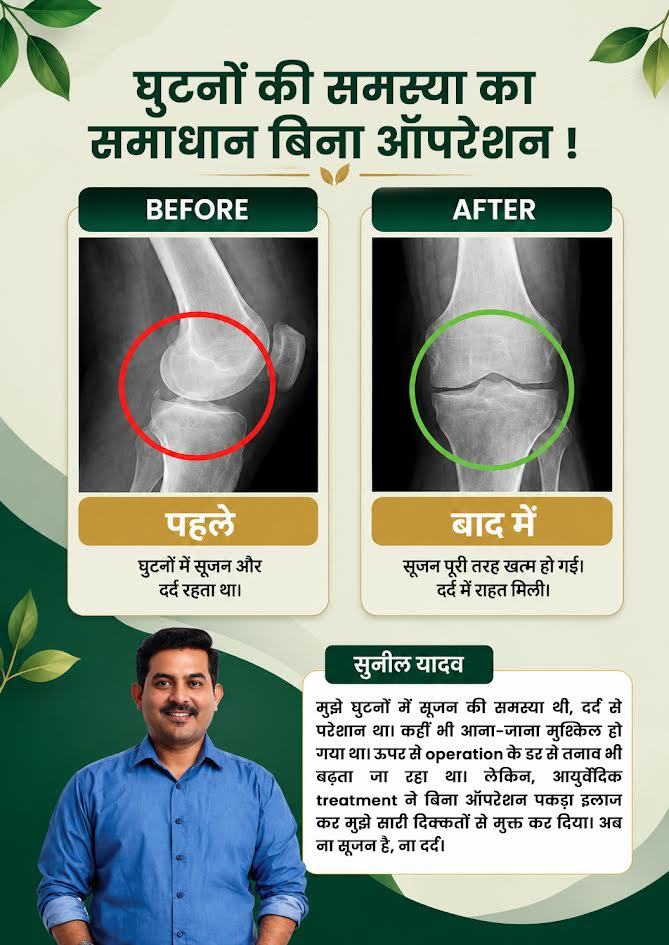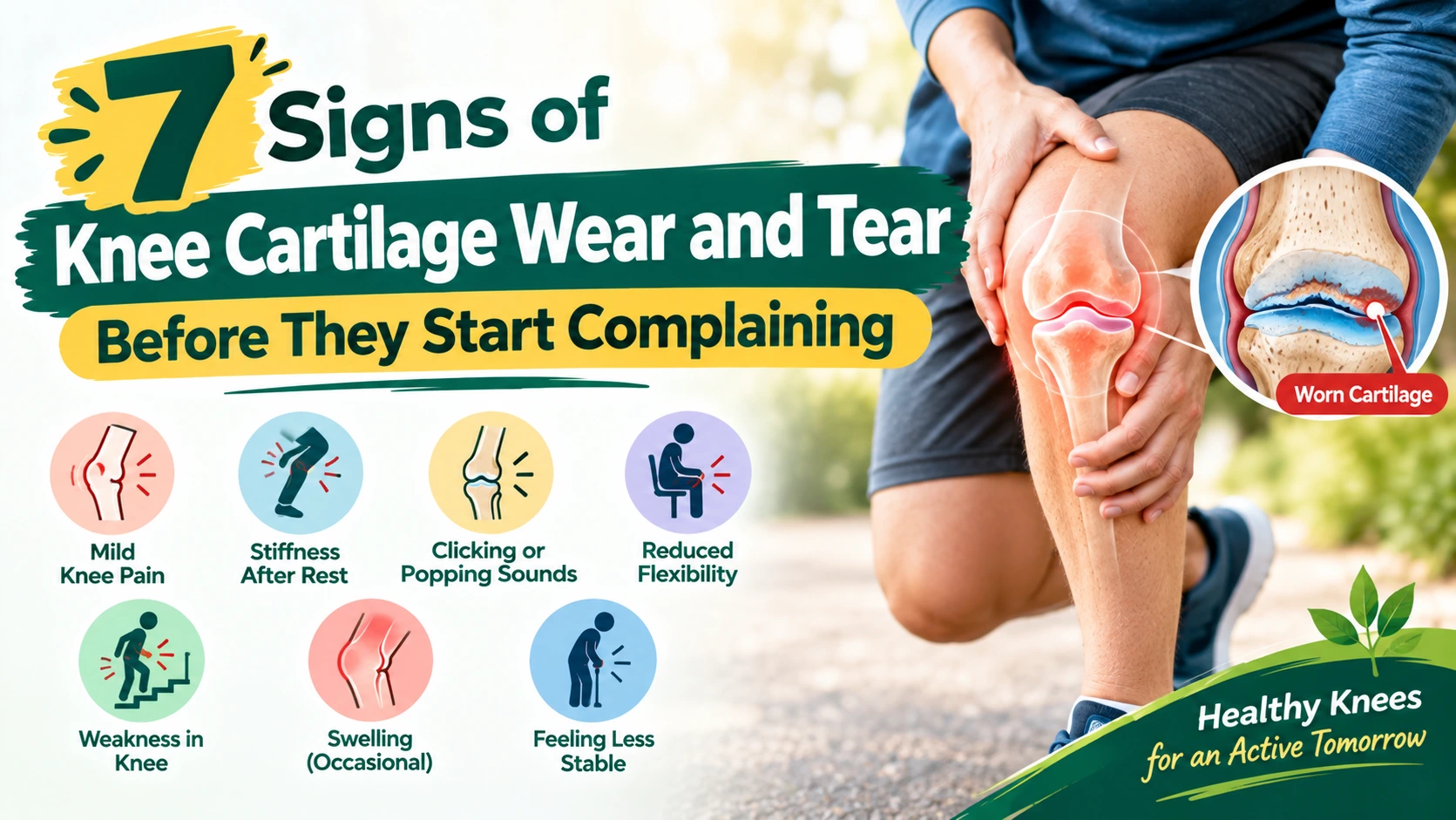
Stiffness after resting, knee pain when walking downstairs, swelling, sound of crunching, decreased range of motion, the feeling of knee instability and knee pain which varies depending on the weather; these are the most common symptoms of knee cartilage wear. Early signs of this problem are important because they will help you to react faster. But only a doctor will give you an accurate diagnosis.
Cartilage is a smooth cushion between the bones of the thigh and shin. Since cartilage has no nerves, its wear and tear occur unnoticed, like a good guest that never complains about a leaky faucet. Here are some knee cartilage wear symptoms that should not be overlooked.
Seven Knee Cartilage Wear Symptoms
- 1. Morning stiffness: Your knee joints feel stiff and rusty for a short period of time after getting out of bed or sitting for too long. Stiffness that lasts for less than half an hour is considered one of the symptoms of knee osteoarthritis according to the ACR criteria (Altman et al., 1986, Arthritis & Rheumatism).
- 2. Pain on stairs and squats: Going down stairs becomes problematic. The knee begins protesting.
- 3. Crepitus: A study conducted in 2014 by Schiphof and colleagues (Osteoarthritis Initiative, 2014, Osteoarthritis and Cartilage) found a connection between the presence of frequent knee noises and a higher chance of developing osteoarthritis. However, occasional sounds in your knee joints that are not followed by any pain are usually safe.
- 4. Swelling: There is puffiness of the knee after a hard day.
- 5. Reduced range of motion: Bending fully and straightening the knee become a painful process.
- 6. Giving way or catching: The feeling of instability in the knee.
- 7. Climate and mood: Some people tend to feel more pain in cold weather. There is not enough research about this factor, so be careful.
Quick Comparison
| Sign | What it feels like | Honest note |
| Crackling, no pain | Cereal bowl in your knee | Often harmless |
| Cereals that want to eat you alive | Breakfast bowl that hates you | Treat it |
| Stiff after sitting | Rusty hinge | Early warning, listen up |
📩 Ask a Kidney Expert (Free 10-Min Consultation)
Best Ayurvedic Herbs for Knee Pain Treatment
Some of the most effective Ayurvedic herbs for the treatment of knee pain include:
- Shallaki (Boswellia): Sengupta et al. (2008, Arthritis Research & Therapy) reported less pain and better function in knee osteoarthritis.
- Haridra (Turmeric): Daily et al. (2016, Journal of Medicinal Food) reviewed trials and found that turmeric extract improved knee osteoarthritis pain.
- Guggul and Ashwagandha – Used traditionally to treat joint discomfort, and some smaller research is available on them.
Your doctor can guide you on the best medicines for knee cartilage in your case. Please skip; my cousin took it by prescription.
Home Remedies
- Have warm turmeric milk just before going to bed
- Ginger tea after a meal
- Warm sesame oil massage followed by a heat pack
- Soaking fenugreek seeds in the morning
Yoga and exercises
Cartilage receives nutrients via cartilage movement; thus, physical activity is important. The OARSI guidelines also emphasize the importance of exercise (Bannuru et al., 2019, Osteoarthritis and Cartilage). Try doing Tadasana, Setu Bandhasana, straight leg raises, swimming, and gentle walks. Avoid deep squats and high jumping exercises. You should not train for a Bollywood dance scene.
Diet plan
- Eat more: warm homemade food, moong dal, leafy greens, walnuts, amla, a little bit of ghee
- Eat less: cold drinks, fried snacks, packaged food
- Sip warm water throughout the day
Extra weight on the knees also adds load to them, so it would be great to try and manage it.
Getting Professional Help
The consultation should be scheduled if some of these conditions apply. Ayurveda Ayurveda Hospital provides consultations, herbal medicines, and therapies for the joints. The head of the hospital, Dr. Puneet Dhawan, guides patients in herbal treatment, therapies, and modifications in lifestyle, taking a comprehensive look at the patient as a whole.
Key Takeaways
Stiffness, pain when going up stairs, swelling, and grinding are common signs.
- Crackles that happen from time to time and don't cause you pain are usually not dangerous.
- Early intervention provides you with more possibilities.
- Movement, diet, and herbs are the best allies against this disease.
- Diagnose correctly before taking any treatment.
FAQs
What are the common knee cartilage wear symptoms?
Stiffness, pain when going downstairs, swelling, grinding sound, and a shaky knee.
Is knee cracking a sign of cartilage damage?
And only if there is pain and swelling; otherwise, this noise means there is nothing to worry about.
Which herbs are best for knee pain?
Shallaki, turmeric, Guggul, and Ashwagandha are the usual picks, with a doctor’s okay.
When should I see a doctor?
When pain lasts more than a couple of weeks, or your knee starts locking or giving way.
Disclaimer
This blog is for general information only and isn’t a substitute for professional medical advice, diagnosis, or treatment. Results vary from person to person. Please consult a qualified doctor before starting any therapy or herbal medicine, especially if you’re pregnant, on medication, or managing a health condition.