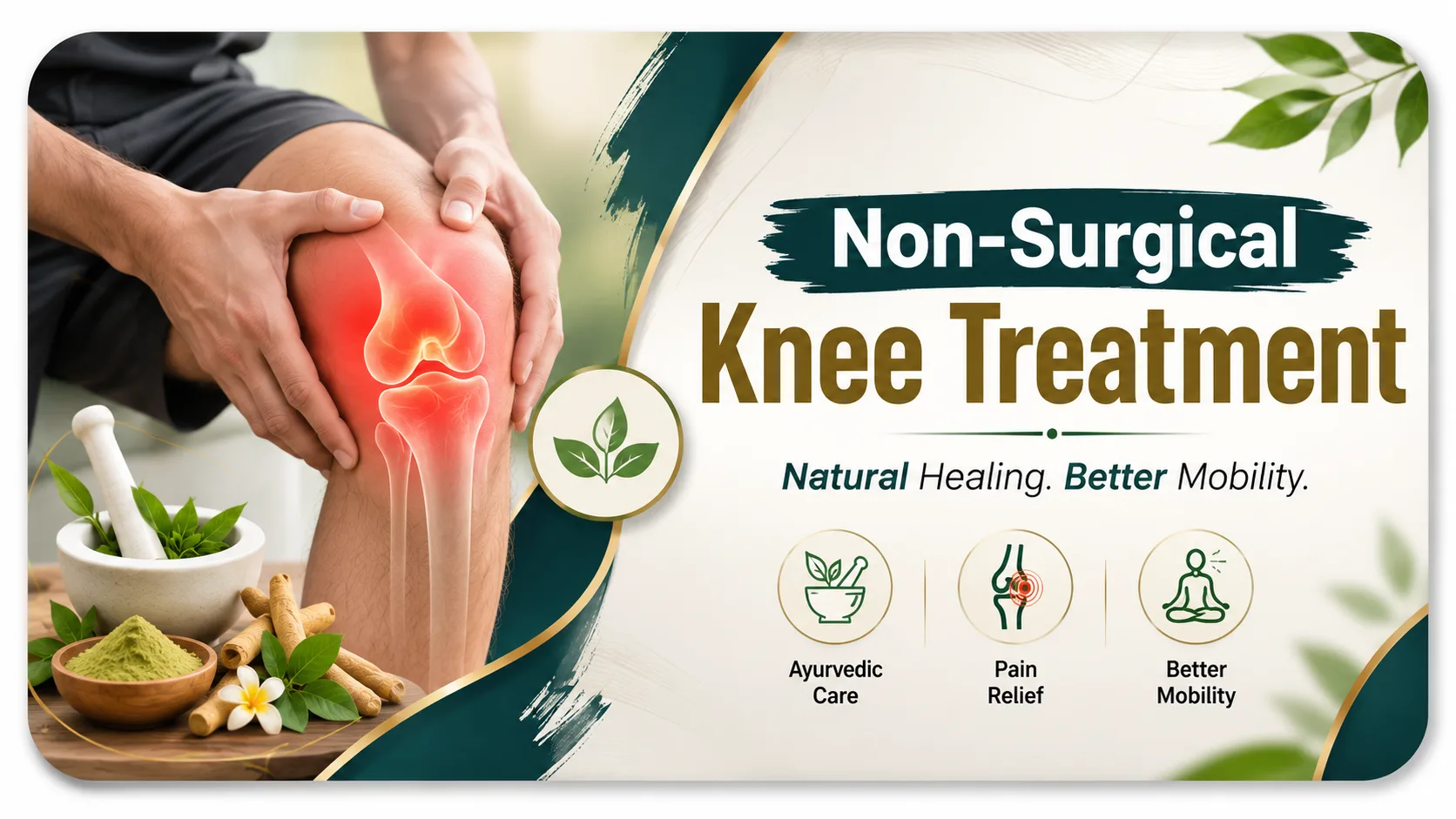
What Is Cartilage Damage?
Simply put, कार्टिलेज हमारी हड्डियों के जोड़ों के बीच एक चिकनी, लचीली गद्दी (cushion) होती है। In your knee, it plays the crucial role of a shock absorber, stopping your bones from grinding directly against each other. When you experience damage, this cushion is compromised. Without it, your bones lose their happy buffer, leading to friction, pain, and a joint that feels less like a well-oiled machine and more like a squeaky, rusty hinge.
Symptoms of Cartilage Damage
Your body is pretty dramatic when something goes wrong. It won’t just whisper; it will scream in its own unique language. If your knees are unhappy, they will usually let you know through a very specific checklist of complaints.
Here are the classic red flags that point toward potential issues:
- Knee Pain: This isn't just a mild annoyance; it’s a persistent ache that gets louder when you climb stairs or try to squat.
- Knee Swelling: Your joint might suddenly look puffy, holding onto fluid like a camel prepping for a desert trek.
- Clicking and Popping: Hearing a soundtrack of clicks every time you bend down is a major giveaway.
- Knee Locking: The alarming sensation where your joint literally catches or feels stuck mid-motion.
- Joint Stiffness: That lovely morning feeling where your legs move with all the flexibility of a wooden log.
- Reduced Mobility: Finding it increasingly difficult to walk or realizing you can’t bend your leg as far as you used to.
What Causes Cartilage Damage?
Cartilage doesn't just pack its bags and leave for no reason. Usually, a mix of lifestyle factors, time, and bad luck forces it into early retirement. To make things easy to digest, let’s break down the primary culprits behind this joint drama.
| Cause | Description |
| Osteoarthritis | The classic wear-and-tear saga where cartilage gradually thins down over decades of use. उम्र के साथ जोड़ों का घिसना इसका सबसे बड़ा कारण है। |
| Sports Injury | Sudden, acute trauma from a bad twist, a hard fall, or a direct impact on the field. |
| Obesity | Excess body weight constantly puts an increased, crushing load on the joint. |
| Aging | Natural, inevitable degeneration as the body's tissue renewal slows down over time. |
| Previous Injury | An old fracture or ligament tear that has permanently altered how your joint moves. |
Types of Cartilage Damage
Not all joint issues are created equal. Medical pros generally categorize the trouble into distinct stages, ranging from a minor annoyance to a full-blown structural crisis.
Mild Cartilage Wear
At this stage, the surface is just starting to soften or fray. You might feel occasional joint stiffness after sitting too long, but it’s mostly a quiet warning sign.
Partial Cartilage Loss
The cracks are getting deeper now. Pieces of the smooth surface have worn away, leading to more regular knee swelling and noticeable discomfort during everyday activities.
Severe Cartilage Damage
Large patches of the protective cushion are completely gone. Your mobility takes a serious hit, and tasks like walking down a flight of stairs require a tactical plan.
Bone-on-Bone Knee
The final, loudest stage. जब कार्टिलेज पूरी तरह खत्म हो जाता है, तो हड्डियां आपस में टकराने लगती हैं। The cushion is absent in certain areas, leaving raw bone to rub directly against raw bone. It’s exactly as uncomfortable as it sounds and requires targeted Knee Cartilage Damage Treatment to restore any semblance of comfort.
How Is Cartilage Damage Diagnosed?
Before embarking on any Cartilage Loss Treatment journey, you have to find out exactly what’s happening under the hood. You can't just guess based on a Google search. A proper doctor evaluation is vital to pinpoint the exact state of your knees.
The diagnostic journey usually looks a bit like this:
- Symptoms & Medical History: Your doctor will ask you when the clicking started, how bad the pain is, and if you’ve noticed any frequent knee locking.
- Physical Exam: The doctor will poke, prod, bend, and rotate your leg to check your range of motion and see exactly where it hurts.
- X-Ray: While X-rays can’t see cartilage directly, they are fantastic for showing narrowed joint spaces, which strongly hint that the cushion has vanished.
- MRI: The gold standard. An MRI gives a crystal-clear, 3D picture of your soft tissues, letting the specialist see the exact size and depth of the damage.
Treatment Options
When it comes to managing a moody knee, there is no one-size-fits-all solution. A balanced, modern approach usually pulls from a diverse toolkit of options to keep you moving comfortably.
Lifestyle Changes & Weight Loss
Every extra pound you carry multiplies the pressure on your knees when you walk. Dropping even a little bit of weight can drastically reduce the mechanical stress on your joints.
Exercise & Physiotherapy
You might want to rest, but total inactivity is the enemy. Targeted physiotherapy builds up the quadriceps and hamstrings, creating a strong, muscular "scaffolding" around the joint to take the pressure off the bone.
Pain Management
From over-the-counter anti-inflammatories to targeted injections, conventional medicine offers various ways to dampen the pain alarm so you can get through your day.
Ayurvedic Management
For those looking for a holistic approach, an ayurvedic treatment for cartilage damage focuses on cooling deep-seated inflammation, improving joint lubrication, and strengthening the surrounding tissues naturally.
Surgery (When Needed)
If conservative methods fall flat, modern orthopedics offers incredible surgical interventions, ranging from minor arthroscopic clean-ups to total joint replacements.
Ayurvedic Management of Cartilage Damage
Ayurveda doesn’t view your knee as an isolated mechanical part; it looks at the whole ecosystem of your body. In ancient Ayurvedic texts, severe joint issues are often categorized under Sandhigata Vata, a condition where the Vata dosha (the element of air and space, which governs movement and dryness) becomes aggravated. आयुर्वेद के अनुसार, शरीर में वात दोष बढ़ने से जोड़ों का लुब्रिकेशन सूखने लगता है। This leads to the drying up and wearing down of joint tissues.
If you are exploring an Ayurvedic Treatment for Cartilage Damage, the goal isn’t to instantly glue a new cushion into your joint. Instead, the focus is on calming that hyperactive Vata, reducing internal friction, and optimizing the body's natural supportive environment. This traditional approach offers a non-surgical cartilage damage treatment pathway focused on long-term management and comfort.
Janu Basti
This is perhaps the most famous therapy for knees. A pool made of black gram dough is constructed right over your knee joint, and warm, medicated herbal oils are poured into it. It acts like a deep-tissue oil change, designed to soothe localized stiffness.
Agnikarma
Don't let the name scare you, but this involves a highly controlled, therapeutic heat application using a special metal probe. It's traditionally used to alleviate chronic localized pain and stimulate blood circulation to the stubborn area.
Panchakarma
The ultimate Ayurvedic detox. This multi-step cleansing process helps eliminate deep-rooted toxins (Ama) from the body, helping to lower systemic inflammation and balance the doshas from the inside out.
Herbal Medicines
Ayurvedic practitioners often recommend time-tested herbs like Shallaki (Boswellia), Guggulu, and Ashwagandha. These botanicals are traditionally prized for their natural anti-inflammatory properties and their ability to support bone and joint health.
Diet & Lifestyle
An Ayurvedic approach emphasizes eating warm, freshly cooked, and naturally oily foods (like those cooked with a bit of Ghee) to combat the internal dryness of Vata. Cold, dry, and processed foods are given a strict thumbs-down.
Can Cartilage Regrow Naturally?
Let’s address the million-dollar question that floods search engines daily: can cartilage regenerate naturally? To give you a completely honest, hype-free answer: the body's limited repair capacity makes spontaneous, complete regrowth highly unlikely on its own. कार्टिलेज में खून की सीधी सप्लाई नहीं होती, इसलिए यह खुद-ब-खुद आसानी से ठीक नहीं हो पाता। Because it lacks its own direct blood supply, it cannot deliver nutrients and cellular building blocks to heal the way a cut on your skin or a broken bone does.
Whether you can achieve cartilage damage without surgery depends heavily on the severity of your condition. While you can't magically grow back a pristine, youthful joint, a dedicated routine of rehabilitation, medical advice, and holistic support can help stabilize the joint, halt further degeneration, and significantly ease your symptoms. If you've been wondering, can damaged knee cartilage heal? The realistic goal is management, comfort, and preserving the tissue you still have.
When Is Surgery Recommended?
While exploring a natural ayurvedic treatment for cartilage loss is highly beneficial for mild to moderate stages, there are times when conventional surgery is the most practical and compassionate choice.
An orthopedic evaluation will usually point toward surgery if you have severe, advanced cartilage loss that leaves you with a bone-on-bone situation. If conservative care, including physical therapy, lifestyle changes, and natural treatments, fails to provide relief, and your quality of life is severely compromised, surgery can offer a profound reset, restoring your freedom of movement.
Prevention Tips
The absolute best treatment for knee cartilage damage is to avoid destroying it in the first place! Keeping your joints happy doesn’t require a miracle; it just requires a few consistent, healthy habits. याद रखिए, इलाज से बेहतर हमेशा बचाव होता है।
- Watch the Scale: Maintain a healthy weight to keep unnecessary, crushing pressure off your lower joints.
- Keep Moving: Low-impact exercises like swimming, cycling, and walking keep the joint fluid moving without hammering the cartilage.
- Invest in Footwear: Ditch the unsupportive flat shoes or sky-high heels. Wear shoes with good arch support and shock absorption to protect your structural alignment.
- Strength Train: Don't just focus on cardio. Build up your quadriceps, hamstrings, and calf muscles to act as natural shock absorbers for your bones.
- Eat an Anti-Inflammatory Diet: Fuel your body with berries, leafy greens, nuts, and healthy fats that help keep systemic inflammation to an absolute minimum.
If you suspect your joints are struggling, taking early action with a holistic knee cartilage degeneration treatment strategy is the best way to keep yourself moving comfortably for years to come. If you've been wondering how to treat knee cartilage damage? The answer lies in a smart mix of modern biomechanics and time-tested natural care.
FAQ
Q: What causes cartilage damage?
A: It is primarily caused by sudden sports injuries, heavy impacts, repetitive joint stress, and age-related wear and tear (osteoarthritis).
Q: Can cartilage heal?
A: Cartilage has no direct blood supply, meaning it has a very limited ability to heal itself naturally.
Q: Can MRI detect cartilage damage?
A: Yes, a high-resolution MRI is the most effective, non-invasive imaging tool used to visualize and detect cartilage tears or thinning.
Q: Can Ayurveda help?
A: Ayurveda cannot structurally regrow lost cartilage, but therapies like Janu Basti and anti-inflammatory herbs can help manage pain and reduce joint inflammation.
Q: What foods support joint health?
A: Foods rich in omega-3 fatty acids (fatty fish, chia seeds), vitamin C (citrus fruits), bone broth, and antioxidants support overall joint health.
Q: Is walking good?
A: Yes, low-impact walking stimulates the production of synovial fluid, which lubricates and nourishes the joint cartilage.
Q: Can surgery be avoided?
A: Yes, mild to moderate cartilage damage can often be managed successfully without surgery through physical therapy, weight management, and targeted injections.
Q: How long does treatment take?
A: Conservative treatments usually take 6 to 12 weeks to show noticeable improvement, while recovery from surgical interventions can take 6 months to a year.
Q: What is cartilage damage?
A: It is the erosion, tearing, or wearing away of the smooth, protective connective tissue that cushions the bones inside a joint.
Q: Can damaged cartilage heal?
A: Minor, superficial wear can sometimes stabilize with conservative care, but severe or full-thickness tears cannot heal on their own.
Q: Can cartilage regenerate?
A: Cartilage cannot regenerate spontaneously, but advanced medical procedures like Autologous Chondrocyte Implantation (ACI) or microfracture surgery can stimulate new tissue growth.
Q: Is surgery always needed?
A: No, surgery is typically reserved as a last resort for severe, full-thickness damage that does not respond to physical therapy or lifestyle modifications.
Q: What are non-surgical treatments?
A: Key non-surgical options include physical therapy, weight loss, NSAIDs, unloader knee braces, and hyaluronic acid or PRP injections.