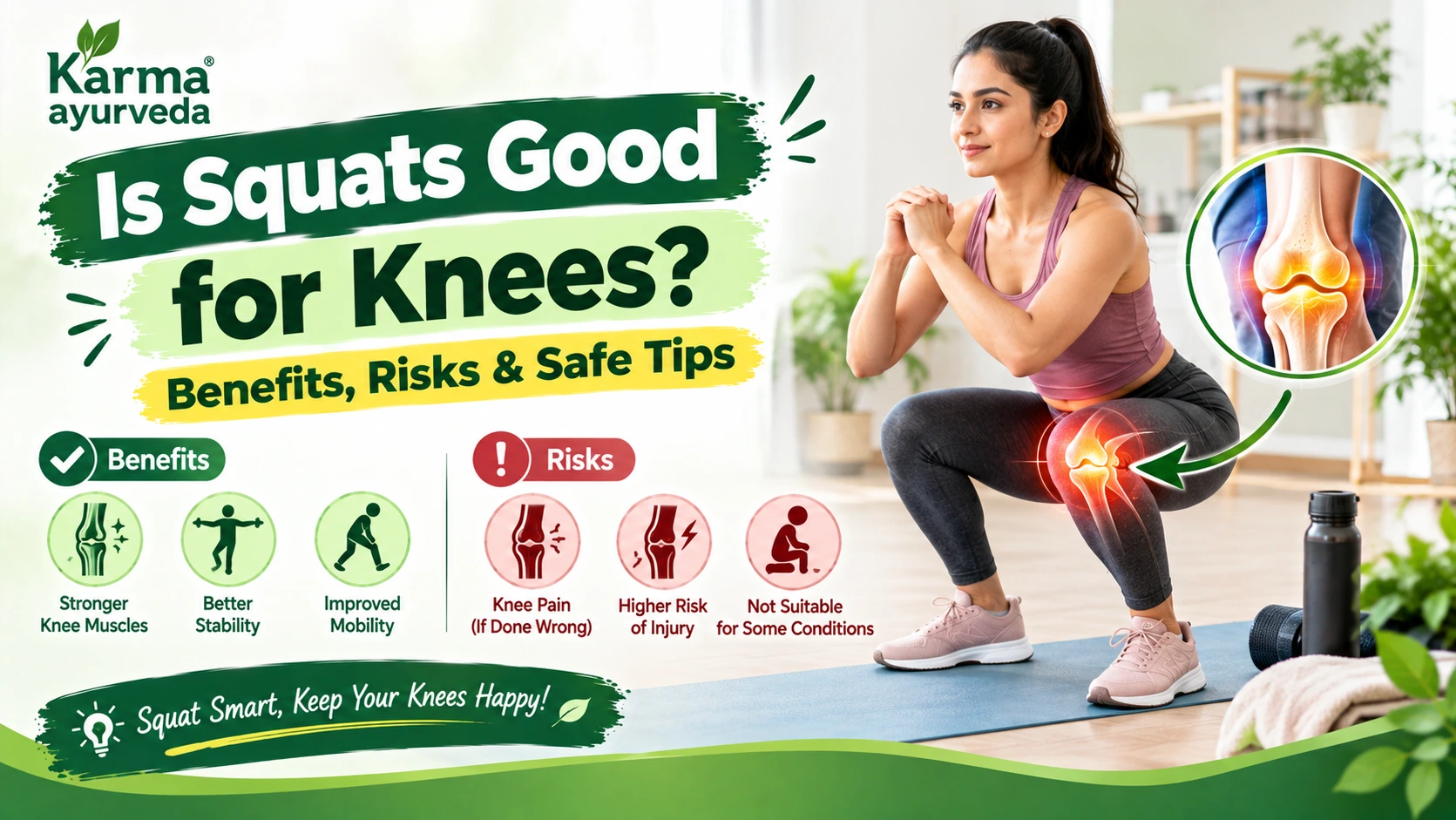
Short answer: squats for knees are actually pretty great for them, not the enemy your uncle warned you about at the last family dinner. Okay, now let's actually talk about it, because "just do squats" isn't helpful if your knee sounds like a bowl of Rice Krispies every time you bend down.
Here's the thing nobody tells you: knees aren't made of glass. They're not going to shatter because you sat into a squat wrong once. But they are going to complain, loudly, if you keep ignoring bad form or pretending that knee pain will just magically disappear if you don't think about it. (We've all tried that trick. It doesn't work. Ask literally anyone over 35.)
Okay, But Why Does Everyone Blame Squats Then?
Mostly bad form, honestly. Knees caving in, heels popping up off the floor, going way deeper than your hips can actually handle; that's the real troublemaker, not the squat itself. There's actually a 2013 study in the Journal of Strength and Conditioning Research that looked into this, and turns out squats done with decent form don't beat up your knees the way everyone assumes. If anything, they can make the joint more stable over time.
But; and this is a big but; if your knees are already cranky, squats aren't going to be some magic fix on their own. You've got a deeper issue that needs actual attention, not just a YouTube tutorial on "perfect squat form." This is usually where people start looking into Ayurvedic treatment for knee pain treatment, and honestly? It makes sense, because Ayurveda doesn't just slap an ice pack on the symptom and call it a day.
📩 Ask a Kidney Expert (Free 10-Min Consultation)
The Ayurveda Side of Things
In Ayurveda, cranky knees are usually blamed on an aggravated Vata dosha; basically, your joints getting dry and unstable, like an old door hinge that needs oiling. And that's kind of the whole point of knee joint treatment in Ayurveda: nourish the joint instead of just muting the pain signal.
A few things that keep coming up when people talk about this:
- Best Ayurvedic herbs for knee troubles; Shallaki (Boswellia), Guggulu, Ashwagandha. These aren't trendy TikTok herbs, they've been around forever for a reason.
- Knee cartilage regeneration Ayurveda treatments like Janu Basti; warm medicated oil literally pooled on your knee. Sounds strange, feels weirdly amazing.
- Best medicine for knee pain in Ayurveda; usually herbal combos paired with detox-style therapies (panchakarma, if you want the technical term).
There's a study in the Journal of Ayurveda and Integrative Medicine where people with knee osteoarthritis showed improvement after Ayurvedic treatment involving Guggulu-based formulas plus some lifestyle tweaks. Not a miracle overnight thing, but a real, measurable improvement.
Home Remedies Your Grandmother Probably Already Knew
Turns out grandma wasn't just being dramatic with her oil massages.
- Warm mustard oil rubbed in before bed
- Turmeric milk (yes, the "golden latte" thing is just haldi doodh with a marketing upgrade)
- Fenugreek water first thing in the morning
- A warm sesame oil compress when your knee's being extra dramatic
These count as natural treatment for knee pain, and the nice part is you don't need a prescription to try them.
Yoga & Exercises Worth Actually Doing
You don't have to abandon squats, just be smarter about them.
- Wall-supported squats; same benefit, way less pressure
- Straight leg raises; builds strength without your knee having to do the heavy lifting
- Vajrasana; good for circulation, if your knees allow sitting like that comfortably
- Bridge pose (Setu Bandhasana); strengthens everything around the knee that actually supports it
What You're Eating Matters More Than You'd Think
Nobody wants to hear "watch your diet" but here we are.
- Turmeric, ginger, garlic; basically nature's anti-inflammatories
- Walnuts and flaxseeds for omega-3s
- Go easy on fried and sugary stuff (I know, I know)
- Drink water like it's your job; dry joints are unhappy joints
A Comparison Table, Because Why Not
What You're Doing | What Happens | Your Knee's Honest Reaction
Deep squats, terrible form | Stress and strain | "We need to talk."
Modified squats + Ayurveda | Strength and nourishment | "Okay fine, I forgive you."
Just icing it and hoping | Temporary numbness | "Cute effort. Try again."
About Dr. Puneet Dhawan
If you go down the rabbit hole of joint pain treatment in Ayurveda, you'll probably run into Dr. Puneet Dhawan's name pretty quickly. He's known for combining classical Ayurvedic knowledge with a more modern, individualized understanding of how joints actually work; not just treating "knee pain" as one generic thing everyone gets the same fix for. Which, honestly, is refreshing, because your knees and your neighbor's knees have very different life stories.
Key Takeaways
- Squats aren't out to get you; bad form and ignored pain are the real problems.
- Best herbs for joint pain worth looking into: Shallaki, Guggulu, Ashwagandha.
- Combine movement with knee pain natural treatment approaches for knee pain instead of choosing one or the other.
- Diet and hydration quietly do a lot of the work.
- Talk to a professional before starting any best medicines for knee pain plan; don't just wing it based on a blog (even this one).
📩 Ask a Kidney Expert (Free 10-Min Consultation)
FAQs
Are squats bad for arthritic knees?
Not really; modified squats can actually help strengthen the muscles holding your knee together.
Can Ayurveda regrow knee cartilage completely?
It focuses more on nourishing and supporting the joint than promising a full cartilage rebuild.
How fast does Ayurvedic treatment work for knees?
Give it a few weeks of consistency before expecting noticeable change; it's not an overnight fix.
Does turmeric actually help with knee pain?
Yes, curcumin in turmeric has decent research behind it for reducing joint inflammation.
Should I completely stop squatting if my knees hurt?
No, just modify the movement and get a professional opinion instead of quitting cold turkey.
Disclaimer:
This blog is meant for general awareness only and isn't a replacement for professional medical advice. Please talk to a qualified doctor or Ayurvedic practitioner before starting any new treatment, exercise routine, or diet change for knee-related concerns.