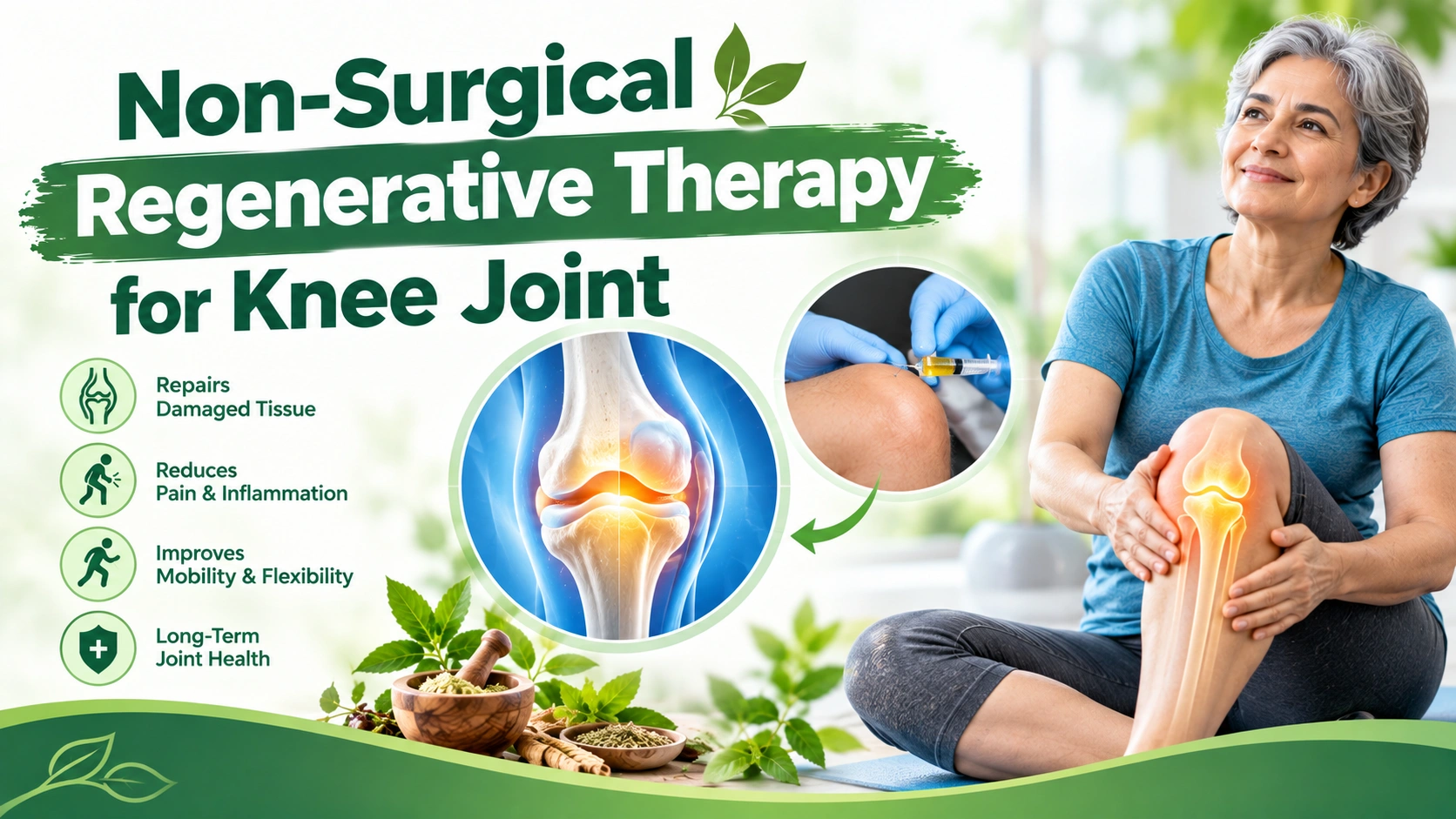
Short answer: yes, a little, but don't expect it to throw you a comeback party. Cartilage regeneration does happen naturally in the human body, just painfully slowly and only in small amounts; think "grows back like a shy houseplant," not "grows back like Wolverine."
If you've ever cracked your knee playing weekend football and then Googled "does cartilage grow back" at 1 AM while icing your leg, welcome. You're in good company. This is one of those questions that sits right at the intersection of "things your body should obviously be able to fix" and "things your body has weirdly decided not to prioritize." Let's get into why.
Why Cartilage Is the Introvert of Your Body Tissues
Most tissues in your body; skin, muscle, even bone; have a pretty solid blood supply. Blood brings oxygen, nutrients, and repair crews (white blood cells, growth factors, the whole construction team). Cartilage, on the other hand, is avascular, meaning it has basically no direct blood supply of its own. It survives on nutrients diffusing in from the surrounding joint fluid, like it's ordering room service instead of having its own kitchen.
This is exactly why a paper cut on your finger heals in days, but a torn meniscus can bug you for years. No blood, no quick fix.
So... Can Cartilage Regenerate at All?
Here's where things get genuinely interesting. For decades, doctors treated cartilage as basically a non-renewable resource; once it's gone, it's gone, sorry, enjoy your knee replacement someday. But research has started poking holes in that idea.
A widely discussed cartilage regeneration study from Duke University, published in the journal Science Advances in 2019, found that human joint cartilage actually has a "salamander-like" repair mechanism. Researchers discovered a pattern of regeneration based on the location of cartilage, with high-level regeneration in the ankles, moderate levels in the knee, and low levels in the hips, a pattern similar to how certain animals regenerate limb tips more readily than other body parts. The team even nicknamed it our "inner salamander" capacity, because apparently, we've all got a tiny bit of amphibian left in us.
The study identified molecules called microRNA that help regulate this joint tissue repair process, and these microRNAs are notably more active in animals famous for regenerating limbs, fins, or tails, like salamanders and zebrafish. The finding also helps explain why knee and hip injuries tend to take much longer to heal and more often turn into arthritis, while ankle injuries bounce back faster and less dramatically.
Translation: your ankle cartilage is basically the responsible sibling who heals reasonably well. Your hip cartilage is the sibling who still hasn't unpacked from moving in three years ago.
What Actually Helps Cartilage Health (Naturally)?
While we're not about to regrow a full knee joint through sheer willpower, there are legitimate, science-backed ways to support your joint cartilage health and slow further damage:
- Weight-bearing, low-impact exercise: Movement helps circulate synovial fluid (the joint's "nutrient delivery" fluid), which is basically the closest thing cartilage gets to room service with tips.
- Maintaining a healthy weight: Less load on the joints means less wear-and-tear stress on already limited cartilage.
- Strength training around the joint: Strong muscles act like shock absorbers, taking pressure off the cartilage itself.
- Anti-inflammatory nutrition: Diets rich in omega-3s and antioxidants may help reduce joint inflammation, though this supports joint comfort more than actual tissue regrowth.
- Avoiding repetitive high-impact stress: Sorry marathon runners, your knees would like a word.
None of these will regrow a shredded meniscus overnight, but they can slow the decline and support whatever natural repair capacity you do have.
Medical Options vs. Natural Approaches
Because sometimes a pep talk and a kale smoothie just aren't enough, here's how the natural route stacks up against the medical route:
| Approach | What It Actually Does | Reality Check |
| Natural repair (rest, exercise, diet) | Slowly supports minor cartilage regeneration, especially in ankles | Slow, gentle, will not fix a fully torn ACL; think "self-help book," not "surgery" |
| Microfracture surgery | Stimulates blood flow to trigger repair cartilage growth | Effective short-term, but the new cartilage is often less durable (fibrocartilage, not the original stuff) |
| Autologous Chondrocyte Implantation (ACI) | Grows your own cartilage cells in a lab, then reimplants them | More durable, but it's a bigger, pricier procedure |
| Stem cell / PRP therapy | Uses growth factors to encourage repair | Promising research, still evolving, results vary person to person |
Basically: natural treatment for cartilage is the tortoise, surgical options are the hare, and your actual knee doesn't care about either fable; it just wants you to stop running hill sprints.
Key Takeaways
- Cartilage has no direct blood supply, so it heals slower than almost any other tissue in the body.
- Natural cartilage regeneration does happen, but it's minor and location-dependent (ankles heal better than hips).
- Duke University's 2019 study found humans have a "salamander-like" repair mechanism driven by microRNA molecules.
- Lifestyle factors like low-impact exercise, healthy weight, and strength training can support joint cartilage health.
- Severe cartilage damage usually still needs medical intervention like microfracture surgery or ACI.
FAQs
Can damaged cartilage heal on its own without surgery?
Minor cartilage wear can improve a bit on its own, but significant tears usually need medical help to heal properly.
Which joint has the best natural cartilage regeneration?
The ankle regenerates cartilage better than the knee or hip, according to Duke University's 2019 research.
Do glucosamine and chondroitin supplements regrow cartilage?
They may ease joint discomfort for some people, but solid evidence that they actually regrow cartilage is still lacking.
Does exercise help or hurt cartilage regeneration?
Low-impact, weight-bearing exercise generally helps by keeping joint fluid circulating, while high-impact repetitive stress tends to hurt.
How long does it take for cartilage to heal naturally?
It can take many months to years, and full natural healing is rare for anything beyond minor cartilage wear.
Disclaimer
This blog is for general informational purposes only and isn't medical advice. Cartilage issues vary widely from person to person, so please consult an orthopedic specialist or doctor before starting any treatment, exercise routine, or supplement based on this article.