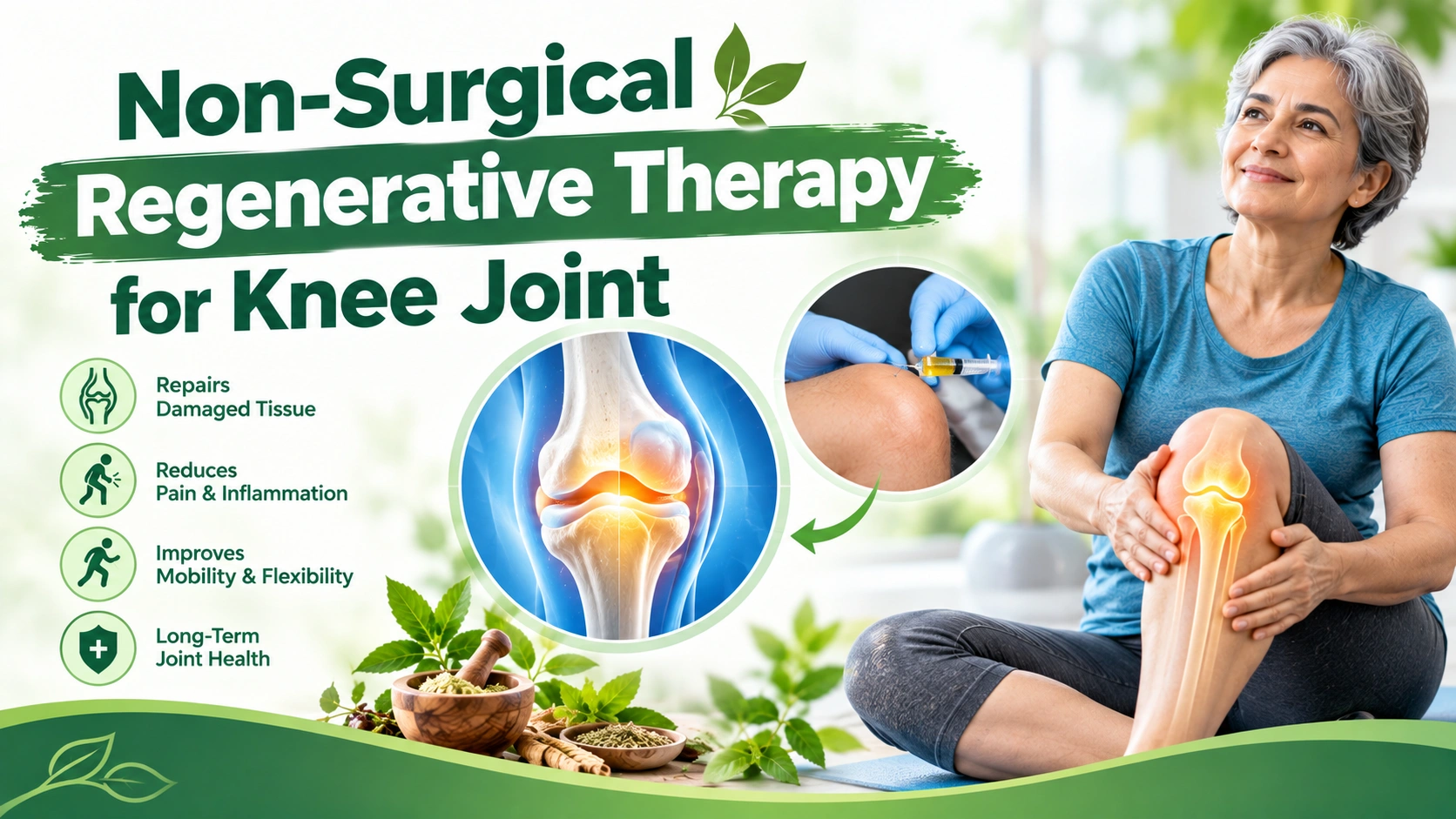
If you are currently reading this while rubbing a knee that sounds like a handful of gravel shifting in a plastic cup, welcome to the club. The short answer to treating knee joint problems naturally is to reduce the load on the joint, calm the inflammation through diet and movement, and strengthen the muscles surrounding the hinge; all without rushing to a pharmacy.
Let's face it: knees are a design marvel until they suddenly decide to mimic a rusty screen door. Whether it’s a dull ache after a weekend hike or a sharp "hello!" when you try to get out of a deep couch, knee discomfort is incredibly common. But before you resign yourself to a lifetime of elastic bandages and groaning every time you stand up, there are plenty of science-backed, natural strategies to get your pep back in your step.
1. Feed the Hinge (Anti-Inflammatory Nutrition)
Your knees react heavily to what you put on your plate. Think of systemic inflammation like an uninvited party guest in your joints; certain foods either throw them out or hand them a megaphone.
Shifting toward an anti-inflammatory diet is one of the most effective natural remedies for knee pain. Focus on packing your meals with omega-3 fatty acids, which behave like a natural lubricant for creaky joints. A 2018 study published in The Journal of Nutrition found that diets rich in alpha-linolenic acid (an omega-3 found in walnuts and flaxseeds) significantly reduced inflammatory markers in the body.
- Load up on: Fatty fish (salmon, mackerel), walnuts, chia seeds, and leafy greens.
- Splash the gold: Extra virgin olive oil contains oleocanthal, a compound that mimics the exact anti-inflammatory pathways of ibuprofen.
- Spice it up: Turmeric contains curcumin. A prominent clinical trial published in Trials (2019) discovered that a daily curcumin extract was just as effective as a standard dose of diclofenac (a common NSAID) for knee osteoarthritis management, but with far fewer stomach aches. Pairing it with black pepper increases its absorption by up to 2,000%.
2. Motion is Lotion (But Keep it Low-Impact)
When your knees hurt, your brain’s natural reaction is to sit perfectly still on a recliner. Paradoxically, that’s often the worst thing you can do. Joints don't have a direct blood supply; they rely on movement to pump fluid in and out, delivering vital nutrients.
The secret is choosing the right flavor of low-impact exercises. You want to challenge the muscles without treating your joint cartilage like a trampoline.
- Swimming and Water Aerobics: The buoyancy of water takes the weight off your joints while providing gentle resistance.
- Cycling: Quad exercises enable fluid movements that strengthen the quadriceps muscles without the damaging effects brought by running.
- Yoga and Tai Chi: The body’s stability and flexibility improve due to these two methods. According to the findings published by NIH, Tai Chi is very effective in improving physical functioning and relieving pain in case of patients with severe knee problems.
3. The Reinforcement Crew: Muscle Strengthening
Your knee doesn’t live in a vacuum. It relies heavily on its neighbors to share the workload. If your quadriceps (thighs), hamstrings (back of the legs), and glutes (your backside) are taking a permanent vacation, your knee joint has to absorb 100% of the shock every time your foot hits the floor.
Focusing on joint health supplements alongside simple bodyweight exercises can yield massive benefits. Think of your thigh muscles as the shock absorbers on a car. Stronger shocks mean a much smoother ride for the actual framework. Simple wall sits, straight leg raises, and bridge exercises build this protective barrier.
Let’s look at how different approaches stack up against each other in the grand quest for happy joints:
| Strategy | Effort Level | Pain Relief Style | Humorous Reality Check |
| Anti-Inflammatory Foods | Medium (Goodbye, donuts) | Gradual, systematic cooldown | Turns you into a classy culinary wizard. |
| Low-Impact Exercise | Medium-High (Must leave couch) | Increases fluid flow and flexibility | You might look silly doing water aerobics, but your knees will thank you. |
| Targeted Strength Training | High (Feel the burn) | Builds long-term armor for the joint | Leg day is tough, but standing up easily is a beautiful reward. |
4. The Weight Math Factor
Here is a bit of simple physics: for every single pound of body weight you lose, you relieve roughly four pounds of pressure from your knees when walking. If you run or take the stairs, that pressure multiplies by up to seven times.
Losing just a few pounds isn't about fitting into old jeans; it is a literal weight lifted off your cartilage. The Arthritis Care & Research journal highlighted a landmark study showing that a modest weight loss of 10% combined with exercise led to a 50% reduction in knee pain for participants over an 18-month period. That is a massive return on investment.
Key Takeaways
- Eat the good stuff: Swap processed snacks for omega-3s and turmeric to naturally cool down joint inflammation.
- Keep moving: Inactivity stiffens joints; stick to low-impact movements like swimming or cycling to keep the joint lubricated.
- Bulk up the neighbors: Strengthen your quads and glutes so your knees don’t have to do all the heavy lifting alone.
- Lighten the load: Even a tiny drop in body weight drastically reduces the physical crushing force on your knee cartilage.
Frequently Asked Questions
Is heat or ice better for sudden knee discomfort?
Use ice to numb sharp, recent swelling, and switch to heat to relax stiff, achy muscles before you move or exercise.
Are standard walking shoes important for knee health?
Absolutely, because supportive footwear acts as the baseline foundation that keeps your ankles aligned and prevents weird forces from twisting your knees.
Disclaimer: While these natural approaches are backed by wonderful science, knee pain can sometimes signal a more serious underlying structural issue. Always consult a qualified healthcare professional before completely changing your routine or if you experience sudden, severe joint swelling.