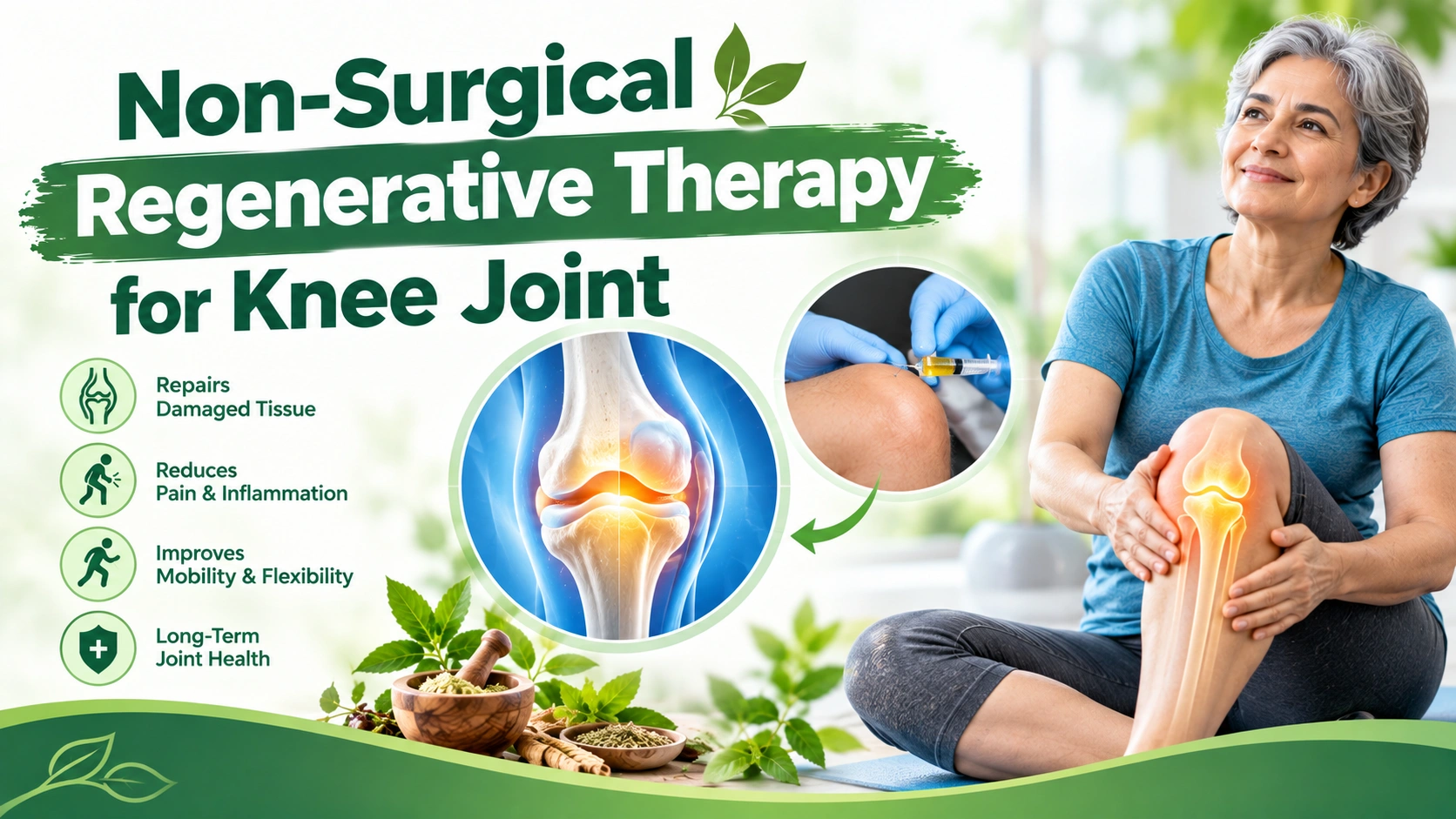
Quick answer, because I know you scrolled here for it: you can't magically regrow knee cartilage like some sci-fi self-healing robot, but you can absolutely slow down its wear and tear, and in a lot of cases actually make your knees feel and function better. Cartilage is weirdly stubborn tissue. It doesn't heal like a scraped knee (ironic, I know) because it barely has any blood supply. But "barely heals on its own" is not the same as "nothing you do matters." Big difference. Stick with me.
What Is Knee Cartilage, Really, and Why Does It Give Up on Us?
Picture the cartilage in your knee as this smooth, rubbery cushion sitting between your thigh bone and shin bone, basically stopping them from grinding against each other like two rocks. The catch is that knee cartilage has almost no direct blood supply of its own, which is exactly why once it's damaged, it just... doesn't bounce back quickly. Throw in years of use, some extra weight, an old sports injury, or honestly just sitting at a desk for a decade, and you've got the setup for osteoarthritis, which is really your cartilage waving a little white flag.
Here's the part that actually matters though: research keeps showing that certain habits can slow this whole process down, and sometimes even improve how the joint feels and functions. So no, it's not hopeless. It's just not instant either.
Can You Actually Regrow Cartilage Naturally, or Is That Just Marketing?
I'll be straight with you instead of selling you a dream. Full natural cartilage regrowth, the kind implied by those "reverse your knee pain in 14 days" ads, isn't something science actually backs up. What is backed up is that you can protect the cartilage that's still there, calm down the inflammation attacking it, and support whatever repair process your body is capable of. Think of it less like regrowing a missing tooth and more like patching a leaky roof before the whole ceiling caves in.
Move. Yes, Even When It Hurts a Little.
I know, I know, it sounds backwards. Your knee hurts, and your instinct screams "sit down and never move again." But staying still is honestly one of the worst things for cartilage long term. Cartilage gets fed by the joint fluid sloshing around it, and that fluid only really circulates when you're moving the joint. A randomized trial published in Skeletal Radiology actually compared women doing an exercise program alone versus exercise plus glucosamine, and found exercise on its own held up just fine at preventing cartilage loss on MRI over 12 weeks. Turns out the movement was doing most of the work.
Things that tend to work well without hammering your joints:
- Swimming (your knees will thank you, your ego might not love the swim cap)
- Cycling
- Walking, just regular boring walking
- Strength work for your quads, since weak thigh muscles are a known culprit behind knee OA
- Gentle yoga, mostly for keeping things mobile and loose
Lose a Little Weight, Not for Vanity, Just for Your Knees' Sake
This one's just physics, honestly. Every extra kilo you're carrying puts several extra kilos of pressure through your knee with every single step you take. Even a modest amount of weight loss can noticeably reduce that load and slow down cartilage degeneration. Nobody's asking you to become a triathlete overnight; just less pressure equals less grinding down there.
Glucosamine and Chondroitin: Do They Actually Do Anything?
Alright, this is where I have to be a little annoying and say "it depends." A study in Osteoarthritis and Cartilage found glucosamine changed cartilage turnover markers in OA patients who were also doing physical training, hinting it might support how the joint responds to exercise. Separately, a review published in Cartilage pointed out that glucosamine paired with chondroitin sulphate improved cartilage regeneration at surgical repair sites in animal studies, bumping up collagen and proteoglycan production. But then a systematic review and meta-analysis basically said results are all over the place depending on which brand and formulation was used. So, worth a try, just don't expect miracles from every random bottle on the pharmacy shelf.
Eat Like Your Joints Are Actually Listening
Collagen peptides, omega-3s, vitamin D, and the usual anti-inflammatory suspects like berries, leafy greens, and turmeric all seem to help calm down joint inflammation over time. None of this is a magic powder you sprinkle once and forget. It's more of a slow, boring, "add it up over months" kind of deal.
Sleep More, Stress Less (Easier Said Than Done, I Get It)
Poor sleep and chronic stress quietly crank up inflammation everywhere in your body, knees included. Getting a proper 7 to 8 hours isn't glamorous advice, but it's genuinely one of the more effective, underrated pieces of natural cartilage repair.
Quick and Honest Comparison Table
| Approach | Actually Helps? | The Real Talk |
| Regular low-impact movement | Yes, big time | Your knees weirdly like being used, not benched |
| Losing some weight | Yes | Less load, less grinding, less drama |
| Glucosamine and chondroitin | Sometimes | Works for some folks, meh for others, it's a gamble |
| Collagen supplements | A bit | Supportive sidekick, not the main hero |
| Just resting and hoping | No | This is wishing on a star, basically |
| That miracle cartilage tea from Instagram ads | Nope, hard no | If it worked, surgeons would be out of a job |
Key Takeaways
- Cartilage doesn't fully regrow on its own, but you can absolutely slow the damage and support what's left
- Movement is one of your biggest allies here; cartilage needs joint fluid moving to stay fed
- Even small amounts of weight loss meaningfully ease pressure on your knees
- Glucosamine and chondroitin show mixed results, worth trying but not guaranteed
- Sleep, nutrition, and stress management quietly matter more than people give them credit for
- Slow and steady really does beat occasional bursts of effort here
FAQs
Can knee cartilage regenerate on its own?
Not fully; it heals painfully slowly because of poor blood supply, but the right habits protect and support whatever cartilage you've still got.
What's the fastest way to rebuild knee cartilage naturally?
Honestly, there's no fast lane; consistent low-impact movement and weight management over months is the realistic route.
Do glucosamine supplements actually work for knees?
The evidence is mixed; some people genuinely feel a difference, while others notice basically nothing. It depends a lot on the person and product.
Is walking good or bad for damaged knee cartilage?
Generally good; it keeps the joint fluid moving and strengthens the muscles that support your knee.
Does losing weight really help knee cartilage?
Yes, even a small drop in weight noticeably reduces the pressure grinding away at your knees with every step.
Disclaimer
This blog is written for general information and a bit of a laugh, not medical advice. Everyone's knees and situation are different, so please talk to an orthopedic doctor or physiotherapist before starting any new exercise routine, supplement, or treatment for your knees.