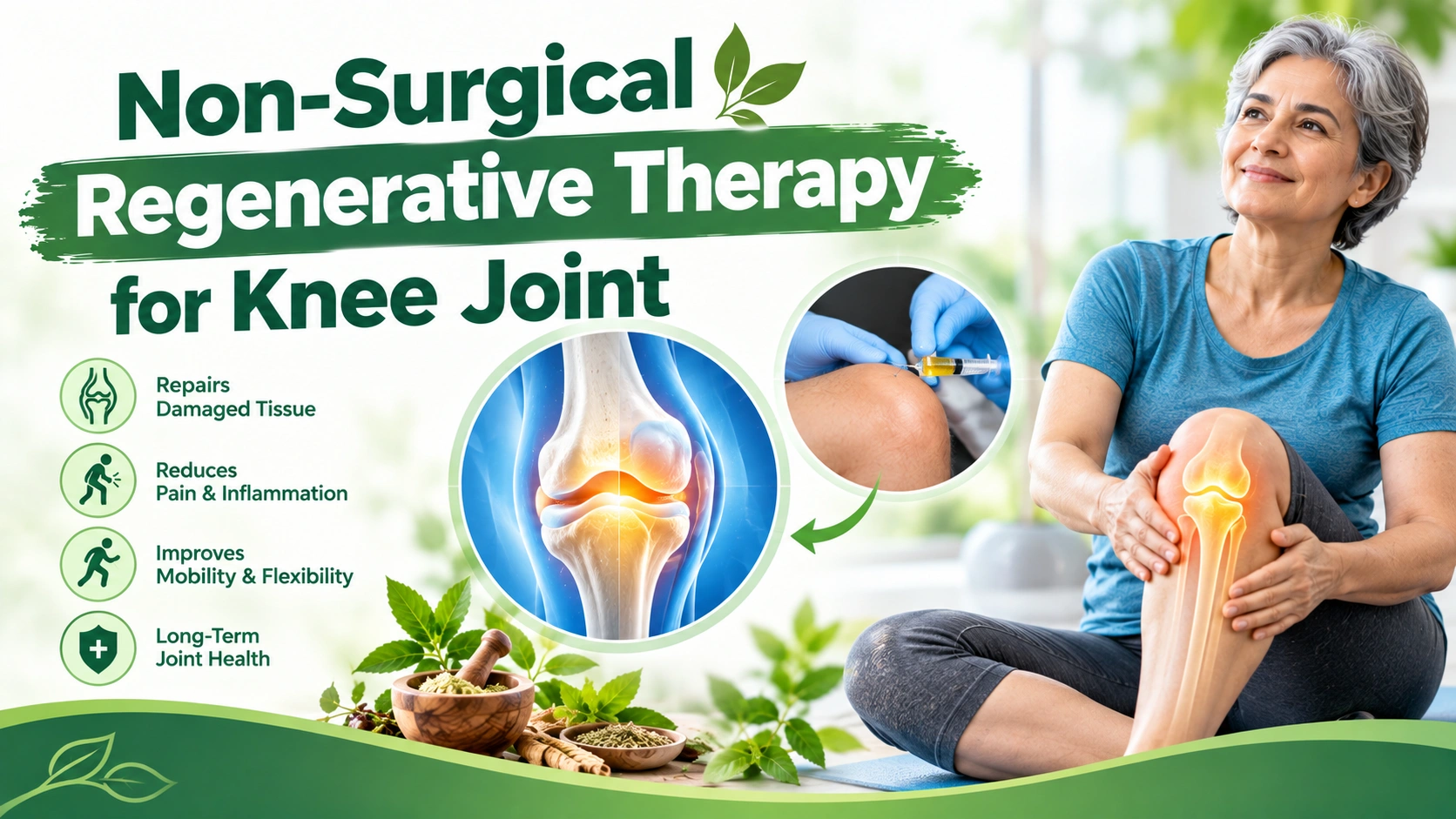
Short answer: your bones start rubbing against each other instead of gliding, and that's basically the whole horror story. The slightly longer answer is that it doesn't happen overnight, and there's a lot you can do about it once you catch it.
I'll be honest, I never once thought about my knee cartilage until it decided to stage a protest. One day you're bounding up the metro stairs, the next you're the person holding the railing like it owes you money. Cartilage is one of those body parts nobody appreciates while it's working. It just quietly does its job; cushioning, gliding, absorbing shock every time you walk, run, or attempt a very ambitious yoga pose; and it only makes headlines once it's worn out.
So, what's actually going on under the kneecap when this cushioning thins out? And what, if anything, can you actually do before you're the one narrating your knee's every creak to a room full of unimpressed relatives? Let's get into it.
What Cartilage Actually Does (And Why It's So Bad at Healing)
Picture cartilage as a slightly squishy buffer sitting between your thigh bone and shin bone. No nerves in it, no direct blood supply; which sounds efficient until you realize it's also exactly why it's so terrible at repairing itself. It's the coworker who never complains and never asks for a raise, right up until the day they quietly quit and everything falls apart.
Over the years; thanks to age, old injuries, extra weight, or just plain overuse; this cushion thins out. Doctors have a name for it: osteoarthritis. It's also the reason so many people end up typing "best medicine for knee pain in ayurveda" into Google at midnight, usually right after a long day of pretending their knee doesn't hurt.
The Slow, Annoying Domino Effect
Cartilage wear rarely stays contained to just "cartilage wear." It tends to drag a few other things down with it:
- Bone-on-bone grinding – Without the cushion, bones scrape against each other, and yes, some people genuinely feel it before it rains. Not a myth, apparently.
- Inflammation – The body tries to help by sending in inflammatory cells, which is sweet in theory but leads to swelling and stiffness in practice.
- Stiffer, slower movement – Stairs stop being a non-event. Sitting on the floor cross-legged turns into a two-step negotiation.
- Bone spurs – The joint tries to compensate by growing extra bone at the edges, which almost always makes the discomfort worse instead of better.
- Weaker muscles around the knee – Because you naturally start avoiding movement, the surrounding muscles lose tone, and the joint gets even less support.
It snowballs. Which is exactly why proper knee joint treatment in Ayurveda doesn't just poke at the cartilage; it looks at the muscles, the circulation, even digestion and daily habits around it.
Why Ayurveda Doesn't Just Treat the Knee; It Treats the Person?
Modern medicine tends to look at worn cartilage like a mechanic looks at a worn brake pad; replace it, or manage the friction. Ayurveda takes a different angle entirely. It looks at joint pain as a sign that Vata dosha, the energy responsible for movement and dryness in the body, has gone off script. When Vata is out of balance, joints lose their natural lubrication, and that's when the creaking, stiffness, and general complaining kick in.
This is where Ayurvedic treatment for knee cartilage genuinely differs from just popping a painkiller and hoping for the best. It's less about silencing the pain and more about slowly rebuilding what the joint actually needs; nourishment, oil, circulation, strength.
A few approaches that fall under Joint pain treatment in Ayurveda:
- Janu Basti – Warm medicated oil is pooled directly over the knee inside a little dam made of dough. Sounds odd on paper, feels genuinely soothing in practice; people often describe the joint feeling "oiled" and looser afterward. Karma Ayurveda for Janu Basti therapy is fairly well known for building this into a structured, ongoing knee-care plan instead of offering it as a one-time feel-good session.
- Herbal support – Shallaki (Boswellia), Guggulu, and Ashwagandha show up again and again as some of the best herbs for joint pain, and there's a reason they've stuck around this long.
- Panchakarma-based detox – Meant to work on inflammation at a broader, whole-body level rather than just at the knee.
- Everyday habits – Diet, sleep, and movement patterns all get looked at too, because yes, that extra plate of fries at midnight is not doing your knees any favours. Ask me how I know.
Okay, But Does Any of This Actually Hold Up Scientifically?
Fair question. This isn't just something your grandmother swears by (though mine does, for the record).
A fairly large multicenter trial run across hospitals in Germany compared a multimodal Ayurvedic treatment plan against standard conventional care in people with knee osteoarthritis. It was published in the journal Osteoarthritis and Cartilage, and the group receiving Ayurvedic treatment showed a meaningful improvement on the WOMAC index; a standard scale tracking pain, stiffness, and how well the joint functions day to day. Most of that improvement held up even a full year later, which is more than can be said for a lot of quick fixes.
Separately, a study backed by India's Ministry of Ayush, run through AIIMS New Delhi, is currently evaluating a full multimodal Ayurveda protocol for long-term knee osteoarthritis care, measuring outcomes against standard medical treatment using proper clinical and imaging data; not just "patients said they felt better."
There's also a trial that tested a herbal blend of Ashwagandha (Withania somnifera), Colchicum autumnale, and Pistacia lentiscus in people with knee osteoarthritis, and it reported real, measurable improvement in pain and function over the course of the study.
None of this means cartilage magically regrows because someone drank the right herbal tea. Cartilage repair is genuinely hard, biologically speaking. Knee cartilage regeneration ayurveda methods work best as a slow, consistent routine; not a weekend fix you abandon the moment your knee feels 10% better.
Ayurveda vs. Conventional Treatment: A Quick, Slightly Biased Comparison
| Factor | Ayurvedic Route | Conventional Route |
| Core idea | Rebalance and nourish the joint | Fix or manage the mechanical damage |
| Speed of results | Slow, gradual; think weeks and months | Can be quicker, especially with surgery |
| Side effects | Usually mild, if done right | Possible, depending on medication used |
| Involves warm oil therapy? | Yes, and honestly, it's the best part | Basically never |
| Best suited for | Early to moderate wear, long-term upkeep | Severe or advanced joint damage |
| How much effort it takes | A fair bit; it's a lifestyle shift | Mostly showing up to appointments |
A Word on Who's Actually Doing This Properly
Structured, clinic-based Ayurvedic knee care isn't the same as randomly rubbing oil on your knee because a reel told you to. Names like Dr. Puneet Dhawan tend to come up when people talk about combining classical Ayurvedic therapies with an actual, personalised treatment plan; rather than a generic one-size-fits-all remedy. And that distinction matters, because natural treatment for knee pain only really works when it's applied properly and consistently, not stitched together from three different YouTube tutorials at 1 AM.
Key Takeaways
- Cartilage is your knee's natural shock absorber, and once it wears down, friction and inflammation follow close behind.
- Ayurvedic knee pain treatment focuses on restoring balance; particularly of Vata; rather than just muting the pain signal.
- Janu Basti, targeted herbs, and Panchakarma therapies are core parts of most Ayurvedic knee cartilage treatment plans.
- Peer-reviewed clinical trials, including a German multicenter RCT, show genuinely encouraging (though not miraculous) results.
- Consistency beats intensity; knee pain natural treatment rewards patience more than enthusiasm.
- Pairing diet, herbs, therapy, and movement together tends to outperform relying on any single one alone.
FAQs
Can worn knee cartilage grow back on its own?
Not really on its own; cartilage heals slowly and poorly, but the right care can protect what's left and ease the discomfort.
Is Ayurvedic knee treatment actually safe long-term?
Generally yes, especially when it's guided by someone who actually knows what they're doing, not a random online remedy.
How soon can you expect results from Ayurvedic knee care?
Most people start noticing a difference over a few weeks to a couple of months, not after one session.
What exactly is Janu Basti supposed to do?
It's a warm oil therapy done right over the knee, and most people find it genuinely relieves stiffness and dryness in the joint.
Can you do Ayurveda and regular medical treatment at the same time?
Yes, plenty of people combine both, and many find the two work well together rather than against each other.
Disclaimer
This blog is meant for general reading and awareness, not medical advice. Everyone's knees have their own story, so please talk to a qualified doctor or Ayurvedic practitioner before starting any treatment, especially if your pain is severe, sudden, or just refuses to go away.