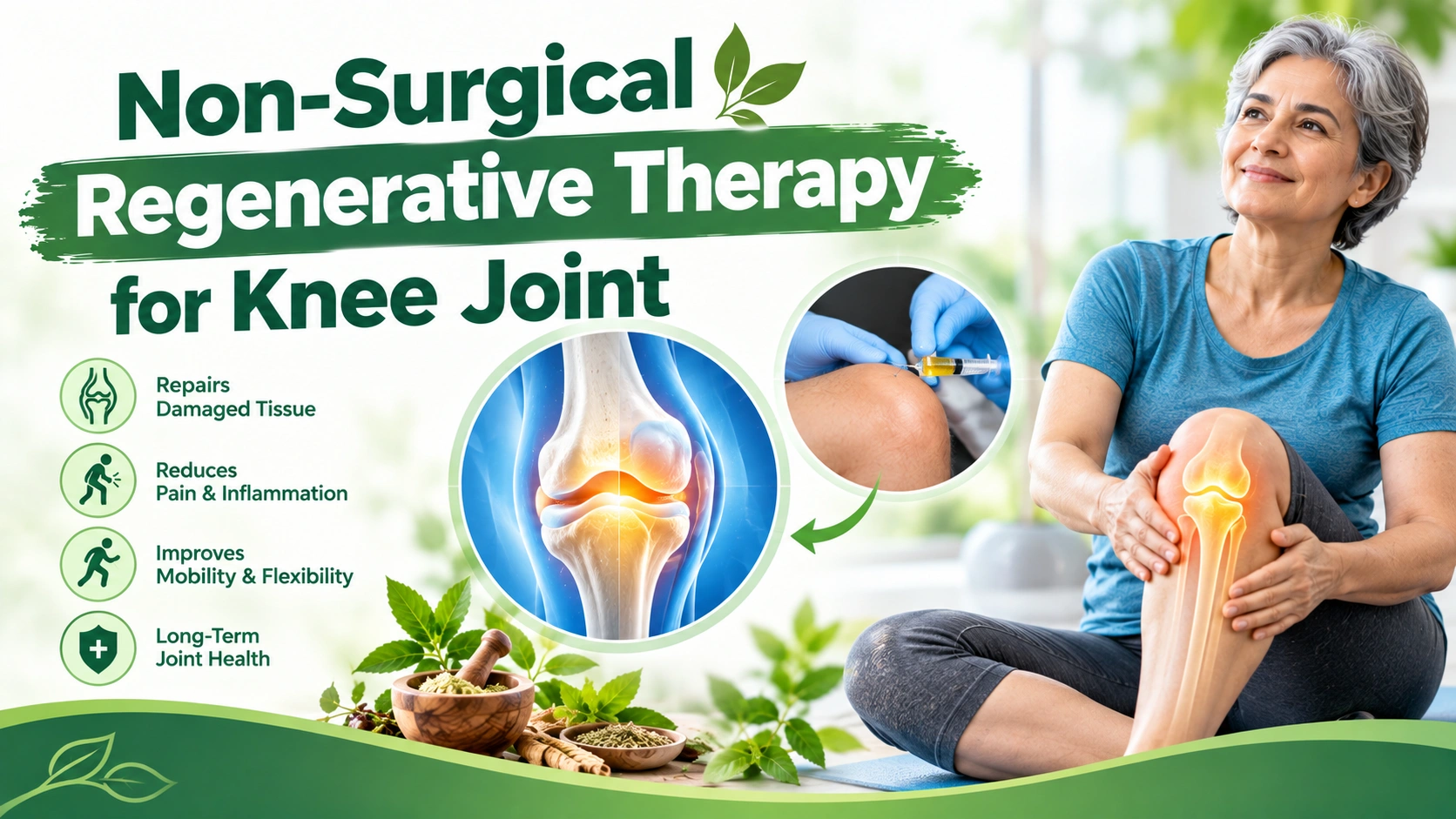
Short answer, right up front: a combination of the right food, some gentle daily movement, and Ayurvedic treatment for knee arthritis; that's the combo that actually holds up over time. There's no single hero pill here (trust me, I looked), but there's a routine that works if you stick with it.
Okay, real talk. You know that sound your knees make when you get up after sitting cross-legged for too long? That little crack-pop-groan situation? Yeah. If that's you, welcome. You're not falling apart, you're just... getting acquainted with your cartilage. Everyone over 40 eventually gets this invitation, whether they RSVP or not.
Here's what's actually happening under the hood: knee arthritis (usually the osteoarthritis kind) is basically your cartilage cushion wearing thin over years of use. Once that cushion thins out, bone starts getting a little too friendly with bone, and your body throws a mini tantrum in the form of swelling, stiffness, and that familiar creak every time you climb stairs.
Anyway. Enough doom and gloom. Let's get into what actually helps; starting with something that's been around a lot longer than modern painkillers.
So Why Does Everyone Keep Bringing Up Ayurveda?
Because it doesn't just numb the pain and call it a day; it tries to go after why the pain is showing up in the first place. In classical Ayurvedic texts, knee arthritis falls under something called "Sandhivata," which is basically an excess of Vata (think: dryness, coldness, instability) settling into the joints. When that happens, you get stiffness, cracking, and the whole uncomfortable package.
Knee arthritis treatment ayurveda-style usually looks something like this:
- Herbs like Shallaki (that's Boswellia serrata for the science-y folks), Guggulu, and Ashwagandha, all known for calming inflammation down
- Panchakarma therapies, especially Janu Basti, which is basically a warm pool of medicated oil sitting on your knee. Sounds odd, feels amazing.
- A serious look at your diet, because Ayurveda has always insisted that what's on your plate eventually shows up in your joints
- Yoga and light movement, because your joints actually need motion to stay lubricated (your synovial fluid isn't going to circulate itself)
There's actual research backing some of this up too; not just grandma's advice, though grandma was usually right about most things. A study in the Journal of Ayurveda and Integrative Medicine found that Boswellia serrata extract meaningfully improved pain and mobility scores in osteoarthritis patients over eight weeks. And a clinical review published in Ayu looked at Panchakarma-based treatments, Janu Basti included, and found a noticeable drop in both pain and stiffness compared to where patients started.
So when someone types knee arthritis treatment in Ayurveda into Google at 2 am while their knee is throbbing, they're not chasing a myth. There's real clinical curiosity around this stuff now.
Let's Talk Medicine (The Right Way, Not the Roadside-Shop Way)
Please, for the love of your joints, don't just grab a random bottle labeled "joint pain oil" off a cart because the uncle selling it seemed confident. Medicine for arthritis in Ayurveda needs to come from someone actually qualified to prescribe it. The classical formulations that trained practitioners usually reach for include:
- Maha Rasnadi Kwath; a decoction that's been used forever for joint stiffness and pain
- Ashwagandha; yes, again, it shows up everywhere because it genuinely works on inflammation and pain both
- Simhanad Guggulu; traditionally leaned on for bone and joint issues
- Mahanarayan oil; for rubbing directly onto the sore area, usually before or after Janu Basti
This is also exactly why places like Karma Ayurveda for knee arthritis treatment get mentioned so often; because a proper diagnosis matters more than the herb itself. Ayurveda works on the idea of Prakriti, your unique body constitution, which means the same herb combo that works wonders for your neighbor might do absolutely nothing for you. Or worse, upset something else entirely.
One thing I'll say plainly: talk to an actual registered Ayurvedic doctor before starting anything, especially if you're already on other medication. Herbs aren't harmless just because they're "natural." Snake venom is natural too.
Okay But Can Fruit Actually Do Anything?
Surprisingly, yes. And no, this isn't a sneaky way to get you to eat more fruit (though, also, please do).
If you're wondering about the best fruit for knee arthritis, here's what the research actually points to:
- Cherries; tart cherry juice specifically has been shown, in a study published in Osteoarthritis and Cartilage, to lower inflammation markers like CRP in people dealing with knee osteoarthritis
- Papaya; has papain, an enzyme that's been linked to reduced inflammation
- Pineapple; contains bromelain, which researchers have studied for its ability to calm joint swelling
- Pomegranate; loaded with polyphenols, and a study in the Journal of Nutritional Biochemistry found pomegranate extract actually slowed down cartilage breakdown in lab studies
- Oranges and Amla (Indian gooseberry); both packed with vitamin C, which your body needs to keep producing collagen, and collagen is basically what your cartilage is made of
So if you're building a list of fruits to eat in arthritis, the honest advice is: eat what's colorful, eat what's in season, and maybe go a little lighter on the super sugary stuff. Sorry to the mango lovers; moderation, not a full ban.
Ask a Knee Expert (Free 10-Min Consultation)
A Quick Comparison, Because Tables Make Everything Feel More Official
| Approach | What It's Actually Doing | Effort Required | Honest Side Note |
| Ayurvedic herbs & oils | Calms inflammation, improves lubrication | Medium; you have to actually be consistent | Smells great, will absolutely stain your favorite t-shirt |
| Panchakarma (like Janu Basti) | Deep, targeted relief | High; needs proper sessions | Basically a spa day that's secretly working on your knees |
| Fruits (cherries, papaya, etc.) | Naturally lowers inflammation markers | Low | Genuinely the easiest "medicine" you'll ever take |
| Painkillers | Mutes the pain temporarily | Low | Doesn't fix anything, just buys you a few quiet hours |
| Doing absolutely nothing | Things slowly get worse | Zero effort, maximum regret | Your knees will remind you. Daily. Loudly. |
The Boring-But-Important Lifestyle Stuff
- Watch your weight; every extra kilo adds roughly four times that pressure onto your knees with each step. Math is annoying but it's true.
- Move, but gently; swimming, walking, easy yoga. Your joints like motion; they just don't like being pounded.
- Warm compresses still work, and always will. Sometimes old-school wins.
- Add turmeric and ginger into your food; an anti-inflammatory diet isn't just fruit, it's the whole plate.
- Get decent shoes. Cushioned soles genuinely take a chunk of pressure off your knees, more than most people give them credit for.
Key Takeaways
- Ayurvedic treatment for knee arthritis goes after the root cause, not just a quick pain fix; herbs, oils, and therapies like Janu Basti all work together
- Medicine for arthritis in ayurveda is never one-size-fits-all; get it prescribed, don't self-medicate
- Best fruit for knee arthritis: cherries, papaya, pineapple, pomegranate, and amla, in no particular order
- Pairing diet, gentle movement, and Ayurveda usually beats relying on just one thing alone
- Managing your weight is quietly one of the most underrated things you can do for your knees
Read More: घुटनों की ग्रीस खत्म होने के 7 संकेत
FAQs
Is Ayurvedic treatment actually effective for knee arthritis?
Yes; a lot of people genuinely feel better with consistent Ayurvedic herbs and therapies combined with lifestyle changes.
What's the best fruit for knee arthritis?
Cherries and papaya tend to top the list because of their natural anti-inflammatory effects.
Can diet alone fix knee arthritis?
Not entirely on its own, but the right diet makes a real difference and supports whatever treatment you're already doing.
How long before Ayurvedic treatment actually shows results?
Most people start noticing a difference somewhere around 6 to 12 weeks, as long as they stay consistent.
Is Panchakarma safe for older adults with arthritis?
Yes, generally, as long as it's done by a qualified practitioner who adjusts it to the person's age and condition.
Disclaimer
This blog is written for general information and isn't meant to replace professional medical advice. Please talk to a qualified doctor or a registered Ayurvedic practitioner before starting any new treatment, herb, or diet change for knee arthritis; your knees deserve a real expert's opinion, not just a blog post.